The 1,400-Hour Problem: The Real Cost of DIY Event Management for Australian Corporates
By Victor Tran, Founder and Director, JT Production Management
When a business decides to run its annual conference, awards night or industry summit in-house, the conversation usually starts with budget and almost never starts with hours. Yet the single biggest cost of DIY event management is the one that never appears on a spreadsheet: the 1,400-plus hours of internal time required to plan and deliver a large-scale event from start to finish, and that figure assumes an experienced event management team is doing the work. When an organisation without dedicated systems tries to manage it internally, those hours go significantly further out of scope.
After delivering over 1,000 events across Australia, the patterns are clear. Most organisations underestimate what’s involved, pull the wrong people into it, and end up spending more than they would have with professional support while getting a worse result. Here’s what the numbers actually look like and what’s really at stake.
Why Large Corporate Events Really Take 1,400 Hours
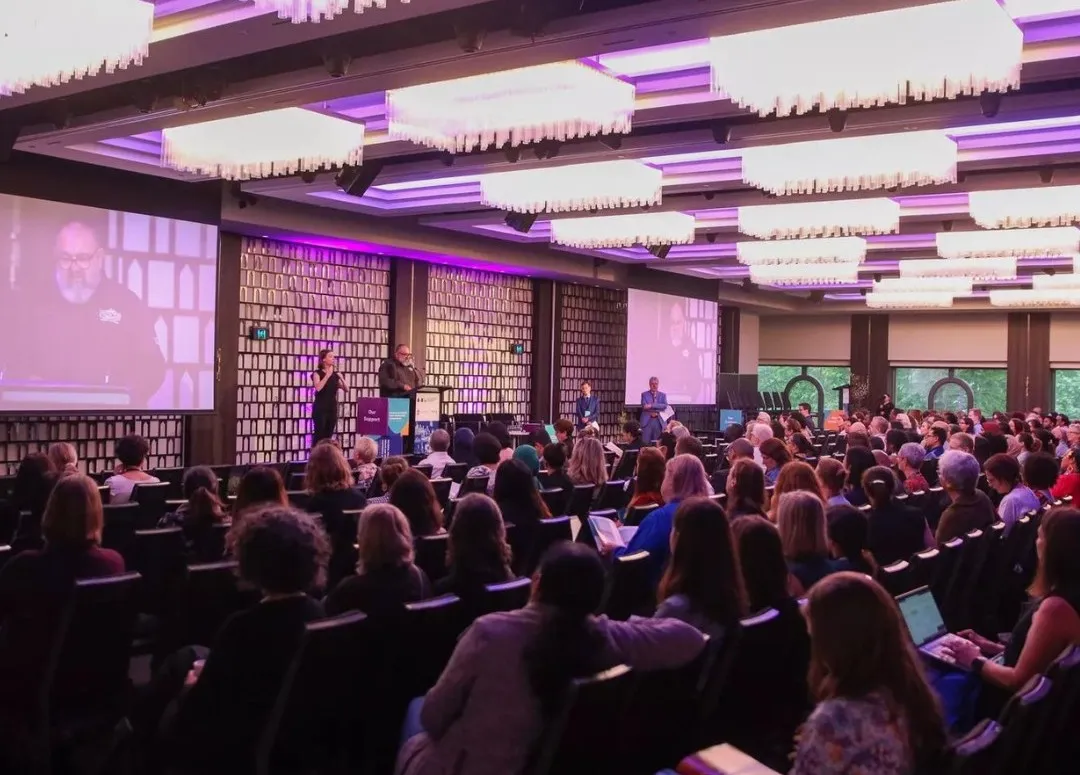
A typical 300 to 500 delegate conference involves venue procurement, AV and staging, speaker management, run sheets, registration, catering, transport, sponsorship, marketing, compliance and full on-site delivery. Add the hours across briefing, scoping, contracting, design, rehearsals, bump-in, live delivery, bump-out and reconciliation, and the total comfortably exceeds 1,400 hours across three core areas.
Design and creative direction covers program design (structure, flow, sequencing and energy management throughout the day), environmental design (venue selection, theming, graphic design, media walls, AV and lighting) and attendee engagement. A well-programmed event sustains energy and engagement across every session, because a program that doesn’t consider how attendees actually experience the day will undermine even the most logistically sound event.
Development and planning is where the bulk of hours sit, covering project management, operational planning, stakeholder communication, event documentation and team coordination. On a well-run event, every person on site knows exactly what they’re doing down to a couple of minutes, not a broad window or a general role, but a specific task, a specific movement and a specific handover, because that level of detail is what makes a show run seamlessly.
Venue, supplier and technical management covers venue sourcing and contracting, catering and dietary coordination, supplier logistics (bump-in times, loading zones, deliveries), AV design, speaker and entertainment management, budget tracking, registration systems, branding and collateral, risk management and interactive platform setup.
The 1,400-Hour Breakdown: Where the Time Goes
- Pre-production (50 to 60% of total hours): briefing, design, venue sourcing, contracting, permits, marketing and registration build. Most budget blowouts are locked in right here, because by the time an organisation realises how much scope has been underestimated, the contracts are already signed.
- Production (25 to 35% of total hours): bump-in, AV setup, staging, lighting, rehearsals, run sheets, crew management and live delivery. This is where DIY budgets typically blow out, because any variations on the day get charged at premium rates.
- Post-production (10 to 15% of total hours): bump-out, supplier reconciliation, financial reporting, delegate feedback and sponsor acquittal, a phase internal teams often forget entirely until invoices start arriving weeks after the event.
Why Internal Teams Underestimate the Time
Most internal teams underestimate event complexity because they price the event and not the labour, which means a marketing coordinator pulled into event duty isn’t doing marketing for six months and that opportunity cost stays invisible until quarterly KPIs slip. The pattern inside Australian organisations is typically the same: an executive assistant, a marketing manager and an operations lead each give up 30 to 40 per cent of their working week for three to six months, which is the equivalent of hiring a full-time employee for half a year without the specialist skill set the work actually requires, and errors, missed deadlines and budget blowouts almost always follow.
Event management agencies build years of knowledge into SOPs, templates and processes refined across hundreds of events, while an internal team planning a conference from scratch is building those systems in real time while also trying to execute. On top of that, there’s a talent risk most leadership teams don’t see coming: if the person carrying all the event knowledge leaves before or after delivery, everything they know walks out the door with them and the organisation is left starting from scratch next time.
Beyond the systems and talent gaps, there’s the question of what internal staff should actually be doing at an event. People pulled from their normal roles to manage registration, handle AV slides or coordinate suppliers aren’t networking, aren’t building client relationships and aren’t doing the work they were hired to do, which means the return on their presence at the event drops significantly. The right model is having your people free to engage, connect and represent the business, with a professional corporate event management team handling everything operational.
The Hidden Costs of DIY Corporate Event Management
The Australian business events industry contributes over $20 billion to the national economy each year (Tourism Research Australia), and the cost structures inside that figure aren’t always intuitive. These are the expenses organisations most consistently underestimate and how they catch people off guard.
| Cost Area | What’s Typically Budgeted | What Gets Forgotten |
| Venue and catering | Hire fee and basic catering package | On-site staff, security, cleaning, kitchen facilities, beverage upgrades, dietary management |
| Branding and collateral | Logo design | Media walls, printed programs, lanyards, name tags, wayfinding signage throughout the venue |
| Marketing and promotion | Social media posts | Agency fees, lead generation, content creation, paid advertising, EDM design and distribution |
| Entertainment and speakers | Speaker fee | Technical riders, rehearsal time, meal requirements, Welcome to Country, MC fees |
| AV and technical | Headline AV quote | Individual charges for screens, consoles, power boards, leads, laptops, iPads, clickers, mics |
| Exhibition build | Booth construction | Power supply to each booth, furnishing, freight, setup and bump-out labour |
| Travel and transport | Flights and accommodation | Coaches, ground transfers, responsible transport home from events involving alcohol |
| Consumables | Printing | Stationery, tape, scissors, cables, general items needed on the day but never on the first budget |
The negotiation gap adds another layer: an organisation hiring a venue for a single event pays significantly more than an agency bringing multiple clients to that same venue throughout the year, because the volume creates leverage that translates into better rates, better terms and better flexibility, and in many cases the savings on venue and supplier costs alone are enough to offset a significant portion of the agency fee.
DIY vs Professional Event Planning: The Real Divide
The difference between a DIY workflow and a professional one isn’t effort, it’s structure. A DIY team works sequentially, learning as it goes, while a professional event management Melbourne team works in parallel against a tested critical path with established suppliers, templated run sheets and rehearsed contingency protocols. At JT Production Management, every event starts with a working progress plan built backwards from the event date, with every action item assigned and every responsibility documented on both sides so the client knows exactly what they need to provide and when, and the event team knows exactly what they’re executing and by when, with nothing falling through the gaps.
Every corporate event is assigned a minimum of two dedicated event managers, supported by specialists including showcallers, stage managers and technology leads as required, and clients receive fortnightly progress updates, an itemised budget and a 100 per cent delivery guarantee across a portfolio of over 1,000 events.
Every event runs on the 80/20 rule: 80 per cent is well-planned and 20 per cent won’t go to plan, and it’s the ability to manage that 20 per cent without the audience or stakeholders ever knowing something went sideways that separates a seasoned team from an internal one attempting it for the first time.
Common DIY Mistakes That Drive Costs Up
- Locking in a venue before scoping AV requirements
- Underestimating bump-in and rehearsal time
- Treating speaker management as administration rather than production
- Building budgets without contingency lines for weather, illness, technical failure or last-minute brief changes
- Skipping formal risk assessment and run sheet sign-off
- Underestimating the logistics chain triggered by even minor changes
A logo change is a good example of how quickly scope compounds: what seems simple in practice means updating every email template, every piece of documentation, the sponsorship prospectus, the printed program, run sheets, presentation assets, banners, media walls, the event website, the registration system and ticketing, with every supplier needing to receive updated assets and confirm the changes are applied. An experienced event manager knows how to run that chain efficiently, while an internal team typically discovers the full scope of it mid-execution.
How Professional Event Managers Prevent Budget Blowouts
A well-managed event budget tracks three figures simultaneously: predicted cost (the working estimate before quotes arrive), quoted cost (updated as each supplier quote comes in) and actual cost (locked in once contracts are signed and invoices are received), and keeping those three columns live throughout the planning process is the difference between knowing exactly where the budget stands at any given point and being blindsided when the final invoices land.
Costs shift quickly and often in small ways that compound, where a supplier quote comes in higher than predicted, an extra chair gets added to a furnishing order, a timeline change adds a crew hour, and each feels minor on its own but collectively, without consistent tracking, they create significant overruns that feel sudden but were building for weeks.
Documentation discipline is the main production prevention mechanism, because every supplier, AV operator and crew member on site needs a copy of the relevant run sheet and brief before the show begins, and waiting for someone else to print it isn’t a plan, which is why bringing backup copies of everything as standard practice matters. Timing pressures follow the same logic: printed program booklets are almost always finalised a couple of days before an event because details change right up to the last minute, but print suppliers have hard deadlines and missing them means late delivery or no delivery at all, which is basic planning for an experienced team and a genuine crisis for one that isn’t.
Logistics, Reputation and the Risk Nobody Prices
The most complex part of event planning services Melbourne teams handle isn’t any single task, it’s coordinating multiple vendors, venues, schedules and stakeholders into one synchronised delivery with contingencies for every realistic failure mode. Every decision made at a senior level flows through an event manager and out to every supplier involved, and when that chain of communication is clear and documented the event moves smoothly, but a single misunderstood instruction can cascade into significant problems on the day, which is the logistics challenge internal teams consistently underestimate.
Reputational risk is the cost organisations consistently underprice, because events are live and there’s no editing a poor moment after it happens in front of 500 people. A poorly run AGM, awards night or industry conference damages stakeholder trust in ways that financial overruns simply don’t, and compliance failures around public safety, insurance, accessibility or permits can also expose the host organisation to legal consequences. JT Production Management operates with a full risk management document reviewed by all event managers, venue management and first-aiders before every event, with every event manager on the team first-aid trained, because real emergencies do happen at events and being prepared to handle them professionally, without the situation becoming visible to the audience, is a core part of what experienced delivery looks like.
The ROI Case for Professional Event Management
The real question isn’t what an event agency costs, it’s what an organisation could have delivered with 1,400 hours back in its team’s hands, and for most that’s a quarter of focused strategic work, a product launch or a sales pipeline initiative that more than offsets the agency fee. Professionals also deliver predictability, meaning stakeholder satisfaction improves, attendance grows, sponsors renew and internal teams stop dreading the planning cycle, and over multiple events the value compounds through refined systems, trusted supplier networks and faster turnaround on every brief.
Some organisations wait until they’re already behind before bringing in support, but an event that normally takes twelve months to plan doesn’t become cheaper with six months left, it becomes more expensive because it requires more resources to catch up. Starting the relationship early means a better-planned event, a more manageable process for the internal team and a better experience for attendees, and it also means the event management team can contribute to the design and strategic thinking from the start rather than just executing under pressure.
Frequently Asked Questions
Why do corporate events take over 1,400 hours to plan?
The hours break down across pre-production (briefing, sourcing, contracting, marketing, registration build), production (rehearsals, bump-in, live delivery, on-site operations) and post-production (bump-out, reconciliation, reporting), and multi-day conferences and exhibitions exceed this easily once design work, stakeholder rounds, team coordination and contingency planning are included.
Is DIY event management actually cheaper for Australian businesses?
Rarely, because visible savings on agency fees are offset by lost internal productivity, weaker supplier negotiation leverage, last-minute scope changes and the cost of mistakes that experienced event managers would have prevented.
What are the biggest risks of running a corporate event internally?
Compliance failures, logistics breakdowns, budget overruns, supplier disputes and reputational damage are the most common, and the risk of underprepared on-the-day management is significant, particularly when something unexpected happens and no experienced person is available to make the right call quickly.
How do professional event managers reduce production costs?
Through established supplier networks with volume-based pricing, accurate first-time scoping, parallel workflows and tight run sheet discipline that prevents costly on-the-day variations.
What does a professional event management company handle that internal teams typically miss?
Detailed run sheets, contingency planning, technical production sign-off, accessibility compliance, supplier negotiation, logistics chain management, post-event reconciliation, sponsor acquittal and impact reporting.
When should a business outsource its event management?
As soon as the decision to hold an event is made, early engagement gives the agency time to plan properly, negotiate better supplier terms and design a better attendee experience without the cost and pressure of a compressed timeline.
Ready to Get Those Hours Back?
Planning a conference, awards night, gala dinner or corporate summit in Australia? The JT Production Management team has delivered over 1,000 events with a 100 per cent delivery guarantee, and whether you’re starting from scratch or working with a tight timeline, we can scope your event, build your plan and take the 1,400-hour problem completely off your team’s plate.
Talk to the JT Production Management team today and let us take care of the rest.