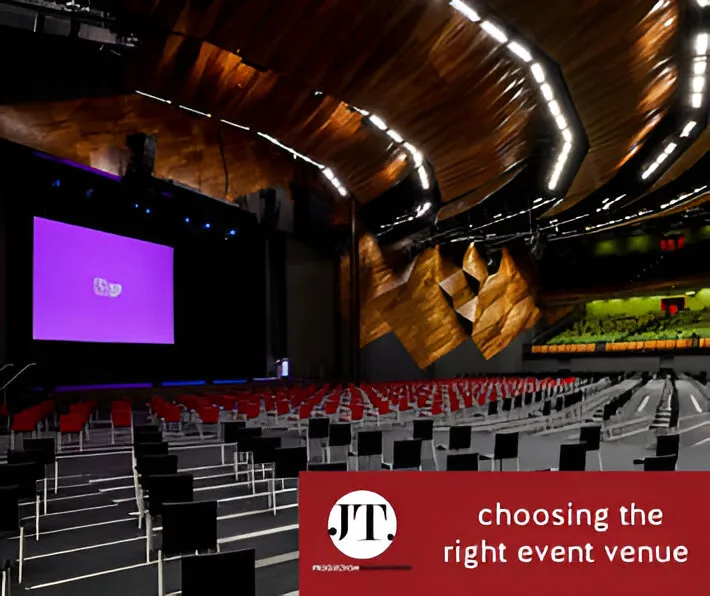
10 things to consider when choosing your event venue
Choosing the right venue is one of the hardest decisions in event planning. There are hundreds of variables to weigh, dozens of options to compare, and it is genuinely daunting the first time you do it. It is also one of the decisions most likely to make or break your event, so it deserves real time and rigour.
You may have a favourite venue already in mind, but the goal is to build a realistic shortlist that meets your specific event and business objectives. Here are the ten things we work through carefully before booking any venue.
1. Size and capacity
How many people are you expecting, and how will they arrive? Will everyone be present at the same time, or moving through in staggered waves across the day? The total number of guests matters, but so does the event format. A standing cocktail event needs far less physical space than a formal sit-down dinner. Hosting 500 people across an eight-hour programme demands a very different kind of space to seating 500 for a single sitting.
Ask the venue for indicative capacity numbers by layout (theatre, banquet, cabaret, cocktail) rather than a single headline number. That is where the useful comparison lives.
2. Location
Where does your audience actually live and work, and how far are they realistically willing to travel? Can part or all of the event go online?
A suburban venue often makes sense for a local community organisation or council. A national conference will usually pull toward a central CBD venue for easier interstate arrivals. Hybrid and digital delivery has genuinely loosened the grip of geography, so location is now one variable among many rather than the deciding factor it used to be.
You could also split the event into a series of smaller sessions across multiple days or cities, in a tour or roadshow format. That approach needs consistent venue specs across every location, plus solid delegate travel and accommodation coordination, which is exactly what our JT Travel team is set up to handle.
3. Look and layout
Aesthetics matter. The overall look and feel of the venue should sit comfortably with your event theme and brand identity. Architecture and interior design contribute directly to the emotional atmosphere in the room, and that atmosphere is a big part of why guests remember an event or forget it.
Traffic flow deserves the same attention as aesthetics. There is nothing worse than getting stuck in a bottleneck on the way to the bathroom, or being seated at a table behind a pillar and feeling forgotten and disconnected. Walk the space with fresh eyes and imagine your busiest 15 minutes of the day playing out in it.
Communicating the layout clearly to attendees on the day matters just as much. Our Future Events Lab platform includes interactive event mapping, so guests can zoom in on the venue, find sessions, and locate amenities without needing a printed sitemap or a floor marshal.
4. Parking and transport
Inadequate parking or transport can quietly disrupt both bump-in and attendance. Guests need a clear way to arrive, and staff and suppliers such as caterers and AV crews need practical loading access with their equipment.
If your organisation has a sustainability commitment, actively check that alternatives such as public transport, rideshare, and safe bike access are available. Include those options in your registration comms so attendees can plan accordingly. Even with strong PT options, a certain amount of parking will always be needed for crew and suppliers, so do not skip that check.
5. Amenities
Enough bathrooms and running water sounds obvious. Most traditional venues have this covered. But if your event is outdoors or in a less conventional space, this is where surprises happen. External amenity suppliers (portable toilets, mobile handwashing stations, temporary kitchens) hit the budget, the layout, and the guest experience in real ways. Would your specific audience be comfortable with a portable toilet, or will that quietly damage the impression the rest of the event is trying to create?
Caterers also need adequate kitchen and water facilities to prep and serve food safely. Ask the caterer to walk the venue before you sign anything, not after.
6. Accessibility
Providing safe, inclusive access for people of all ages, backgrounds, and abilities is both a legal obligation and a moral one. That includes lifts, ramps, and accessible toilets, baby change rooms, gender-neutral and LGBTIQ+ friendly amenities, hearing loops, audio and visual support, and clear wayfinding.
Accessibility runs much deeper than the physical building, though. For a fuller look at how it shapes the whole event experience, read our post on diversity and inclusion considerations for events.
7. Sustainability
Newer buildings are more likely to be designed with eco-friendly features built in, but ask the question of every venue on your shortlist. Solar power, rainwater capture, recycled materials in the fit-out, waste separation programmes, and locally sourced catering all reduce your event’s carbon footprint and demonstrate a genuine commitment to environmental responsibility.
The venue is only one part of the sustainability picture. For more practical ways to reduce environmental impact, our post on sustainable event merchandise covers supplier sourcing, right-sizing quantities, and social-impact procurement.
8. Technology and special effects
What AV hardware and software will your event actually need? Think through the content and presentations you plan to deliver, and match the venue’s built-in capability to it. Modern venues often have big screens, sound, and standard staging integrated. Older or non-purpose-built spaces will need everything brought in.
Some venues insist on their in-house AV team. That can offer peace of mind (they know the space) but it can also limit your creative options and add cost. Get quotes both ways where the venue allows a preferred contractor. Our post on the 6 hidden costs event organisers always miss goes deeper on this exact issue.
9. Catering
Some venues have a preferred or partner caterer list. Others will only allow in-house catering, which means you cannot bring in a specific chef or a favourite catering company. Cost, cuisine, dietary handling, and cultural food options all vary significantly between venues and caterers, so make sure you check the constraints early.
If cultural authenticity matters (for example, working with First Nations suppliers or a specific cuisine), be direct with the venue before you shortlist them. Some venues cannot accommodate it, and you want to know that before you fall in love with the room.
10. Budget
Venue hire cost varies wildly depending on the size, location, and who owns or operates the space. Some venues throw in inclusions such as Wi-Fi, standard AV, and staff parking. Others quote for an empty shell and every extra becomes a line item.
We have built long-term relationships with venues across Australia and can often negotiate stronger inclusions or discounted rates, particularly for repeat and multi-day bookings. For a broader breakdown of what an event actually costs in this market, our Melbourne event budget cheat sheet is a useful companion piece.
Do not walk the venue selection alone
That is a lot to weigh up. The good news is you do not have to do it alone.
Since 2013, JTPM has delivered more than 1,200 events across Australia, and venue selection is one of the first conversations we have with every client. We know which venues excel at which formats, which ones will negotiate on inclusions, and which ones have the operational quirks that only show up once you have loaded in. That institutional knowledge saves clients real money and real headaches.
Ready to lock in the right venue?
If you would like expert help finding, comparing, and booking the right venue, our team at JTPM offers full-service Melbourne events management and Australia-wide delivery, including conferences, gala dinners, exhibitions, and hybrid events under one roof.
Book a design session with us, or get in touch to start the venue shortlist.